Discover the Tranquil Magic of Nyepi
- Hevi Maria
- Mar 19
- 7 min read


Imagine standing on a hotel balcony at midnight in Bali — no city lights, no engines humming, no voices carrying from the street. Just stars you've never seen before, and silence so deep you can hear your own heartbeat.
The Story Begins
Wait — The Whole Island Actually Shuts Down?
Yes. Every single part of it. And honestly, that's what makes Nyepi one of the most extraordinary things you can witness as a traveller anywhere in the world.
Let's set the scene. You're in Bali — the island that never sleeps. The island of endless traffic in Seminyak, of beach clubs thumping until 3am, of scooters weaving through every narrow gang. Then one day a year, the Hindu New Year arrives, and the whole thing just... stops.
We're talking about Nyepi — Bali's Day of Silence. It falls on the new moon of the Saka calendar (usually between March and April), and for a full 24 hours, the island observes total silence and darkness. No traffic. No flights in or out. No beachgoing. No working. No cooking fires. And yes — even the internet gets cut off island-wide. (Seriously.)
Most tourists plan Bali holidays around the beaches and temples. The ones who happen to be here for Nyepi? They always say it was the most memorable night of their trip — of their life, even.

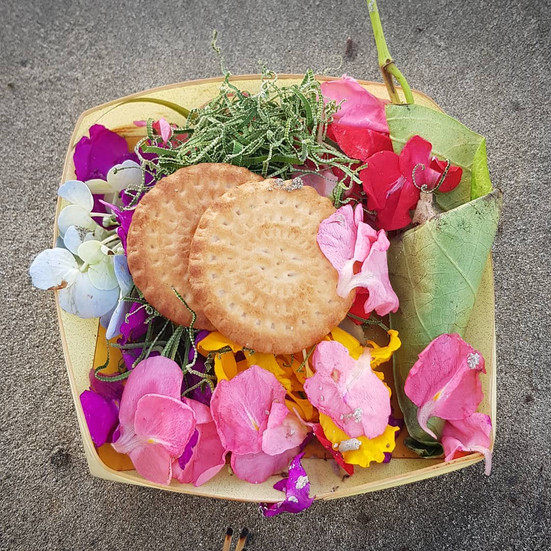


There's a reason for all of this. According to Balinese Hindu belief, Nyepi is the day when evil spirits sweep over the island. By staying completely quiet and dark, the island essentially tricks the spirits into thinking it's uninhabited. The spirits find nothing interesting here and move on. It's a deeply spiritual, deeply intentional act — and standing in the middle of it as an outsider is something you carry with you long after you've gone home.
You Are One of the Lucky Ones
Do You Realise How Rare This Is?
Out of the millions of people who visit Bali every year, only a fraction happen to be there on the exact day of Nyepi. If you are — consider yourself genuinely lucky.
Think about it this way: Nyepi is a single day, once a year, tied to the lunar calendar. The date shifts every year, and it's not a national holiday that gets plastered across every travel itinerary. Most people stumble into it. Some are frustrated by it (especially if they have flights to catch). But the ones who embrace it? They talk about it for years.
The tourists who stay in their hotel or villa, who switch off their phones and sit with the silence — they get something rare. A chance to experience an entire island pressing pause. To feel what the world felt like before the constant noise. To see a sky so dark and so full of stars it looks like something from a different planet.
A once-a-year moment you cannot buy your way into.
No VIP ticket. No private tour. No travel hack gets you this. You simply have to be there on the right day — and be willing to fully surrender to it. That's the magic of Nyepi.
Even long-term expats in Bali say Nyepi never gets old. Every year it hits differently. Every year the silence feels a little deeper. There's something almost meditative about being forced to slow down — not just you personally, but collectively. An entire island. Together.
The Full Experience
What Actually Happens — The Day Before, During & After
Nyepi isn't just one day. It's part of a 3-day sequence that builds from wild celebrations into absolute stillness, then emerges on the other side. Here's the whole journey:


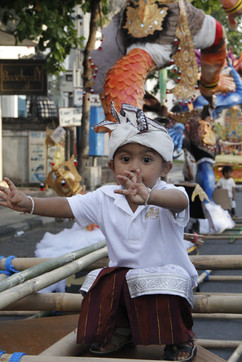













Day Before Nyepi
Pengerupukan — The Night of the Ogoh-Ogoh
The evening before Nyepi is anything but quiet — and that contrast is exactly what makes it so magical. Communities across Bali spend weeks (sometimes months) building massive, terrifying papier-mâché monsters called Ogoh-Ogoh. These towering demon figures — some standing 3 to 5 metres tall — are paraded through the streets at dusk in an incredible procession. There's fire, gamelan music, chanting, and thousands of people lining the streets. Young men carry the heavy statues and spin them at crossroads to confuse any evil spirits lurking there. Eventually, the Ogoh-Ogoh are burned — sending the demons away in a blaze of flame and ceremony. Then the island slowly, deliberately, goes quiet.
Nyepi Day · 6am to 6am
Catur Brata Penyepian — The 24 Hours of Silence
From 6am to 6am the following morning, the island observes four sacred prohibitions. No lights (Amati Geni). No activity or work (Amati Karya). No travel (Amati Lelungan). And no entertainment or self-indulgence (Amati Lelanguan). The streets are literally empty. The airport is closed. The internet goes dark. Pecalang — traditional Balinese community watchmen — patrol the streets and gently send anyone wandering back inside. Locals use the day for meditation, prayer, fasting, and self-reflection. Guests are expected to stay within their accommodation. And the sky at night? With zero light pollution across the entire island, it's genuinely one of the most breathtaking things you will ever see.
Day After Nyepi
Ngembak Geni — The Island Wakes Up Again
The day after Nyepi is called Ngembak Geni — literally, "lighting the fire again." And the energy shift is palpable. Families visit each other, offering forgiveness and starting the new year with clean hearts. Friends gather. There's laughter in the streets. The Balinese believe that by truly resting, reflecting, and purifying themselves, they begin their New Year in the best possible spiritual state. For visitors, it's a beautiful thing to witness — the warmth that pours out of people the morning after the silence. Bali comes back to life, but softer. Gentler. As if the island itself took a deep breath and exhaled something beautiful.
Pro tip: Position yourself for the Ogoh-Ogoh parade.
Head to a main crossroads or town square (Ubud, Denpasar, and Kuta all have impressive parades) around 5–7pm the evening before Nyepi. Arrive early to get a good spot. Bring water, wear comfortable shoes, and just soak it in — it is chaotic, loud, beautiful, and unforgettable.
What You Need to Know
The Essential Do's & Don'ts of Nyepi Day
Nyepi is a sacred day for the Balinese people, and being a respectful guest matters deeply. Here's what you need to know before the silence falls.
What to Do
Stay inside your hotel, villa, or accommodation for the full 24 hours
Stock up on food, water, and supplies the day before (Soft reminder, only for 24 hours - You don't need to buy the whole supermarket with you)
Download movies, podcasts, and books ahead of time (no internet!)
Use the day for journaling, meditation, or genuine rest
Keep lights dim or off, especially near windows at night
Respect the silence — keep voices low and noise to a minimum
Enjoy the rare darkness — step onto your balcony and look at the stars Beautiful!
Charge all your devices the night before
Let it be what it is — a true pause. Embrace it fully.
What Not to Do
Do not go outside or walk on the streets — Pecalang will turn you back
Do not use bright outdoor lights or illuminate balconies
Do not play loud music or make excessive noise
Do not expect internet — it's off island-wide, no workaround
Do not plan a flight on Nyepi day — the airport is fully closed
Do not cook over an open flame (especially in villas)
Do not livestream or post to social media (beyond offline content)
Do not treat it as an inconvenience — it's a privilege to witness
Do not disrespect the Pecalang — they are doing sacred community work
A note about emergencies.
Hospitals and emergency services still operate during Nyepi. If you have a genuine medical emergency, call your hotel — they have protocols in place and can arrange transport. The silence has exceptions for life-threatening situations. For everything else? Stay in, stay quiet, and trust the day.
A Few More Things Worth Knowing
What about hotels?
Most hotels and resorts in Bali are beautifully prepared for Nyepi. Many offer special packages — candle-lit dinners, spa treatments, meditation sessions, and silent cinema screenings. Some of the luxury properties turn Nyepi into a genuinely luxurious experience. If you're staying in a villa, coordinate with your host in advance about meals, generator use, and lighting.
Can foreigners be out on the streets?
No. This applies equally to tourists and locals. The Pecalang are kind but firm — and being caught on the street can cause genuine upset in the community. It's not about punishment; it's about collective respect. Think of it less like a rule and more like being invited into someone's sacred ritual. You wouldn't run through a church during a service. Same energy.
When is Nyepi?
The date changes every year because it follows the Saka lunar calendar. It generally falls between mid-March and mid-April. Check the date well in advance if you're planning your trip around it — or if you're planning a trip that happens to include it. Either way: look it up before you book your flights home.
The silence of Nyepi is not emptiness. It is the sound of an entire culture choosing, together, to pause. To breathe. To begin again.
Should you plan your trip around Nyepi?
Honestly? Yes. If you have any flexibility at all, being in Bali for Nyepi is worth every bit of planning it takes. The Ogoh-Ogoh parade the night before is spectacular. The silence of the day itself is something you will carry with you. And the gentle warmth of Ngembak Geni the morning after — watching Bali slowly come back to life — is one of those travel moments that no guidebook can fully prepare you for.
You simply have to be there. And you have to let it in.
The Gift of Silence
We spend most of our lives running toward noise. Nyepi invites you to run toward something rarer.
There's something profound about being on an island that chooses, collectively and intentionally, to go quiet. Not because something went wrong. Not because of a power cut or a disaster. But because they believe that stillness heals. That silence is sacred. That a new year deserves a clean, quiet beginning.
If you're lucky enough to be in Bali when Nyepi comes — and it really is luck, the beautiful kind — don't fight it. Don't complain about the Wi-Fi. Don't sneak out for a walk. Instead, pour yourself something to drink, step out onto your balcony, and look up at a sky full of stars that the rest of the world has forgotten about.
Just breathe. Bali is breathing with you.
Selamat Tahun Baru Saka. Happy Balinese New Year.


Comments